Picking the right Shore Power Converter is a pretty important choice for boat owners and marina folks alike, especially when you're trying to manage power smoothly and keep a steady energy supply while out on the water. Honestly, with so many models and features out there, it can get pretty overwhelming trying to figure out which one’s best. Basically, a Shore Power Converter is what connects your boat to the land’s electrical grid — making sure you get power safely and efficiently when you’re docked. This little gadget isn’t just about powering your onboard systems; it also helps protect your investment by making sure everything stays up to code and avoids electrical headaches.
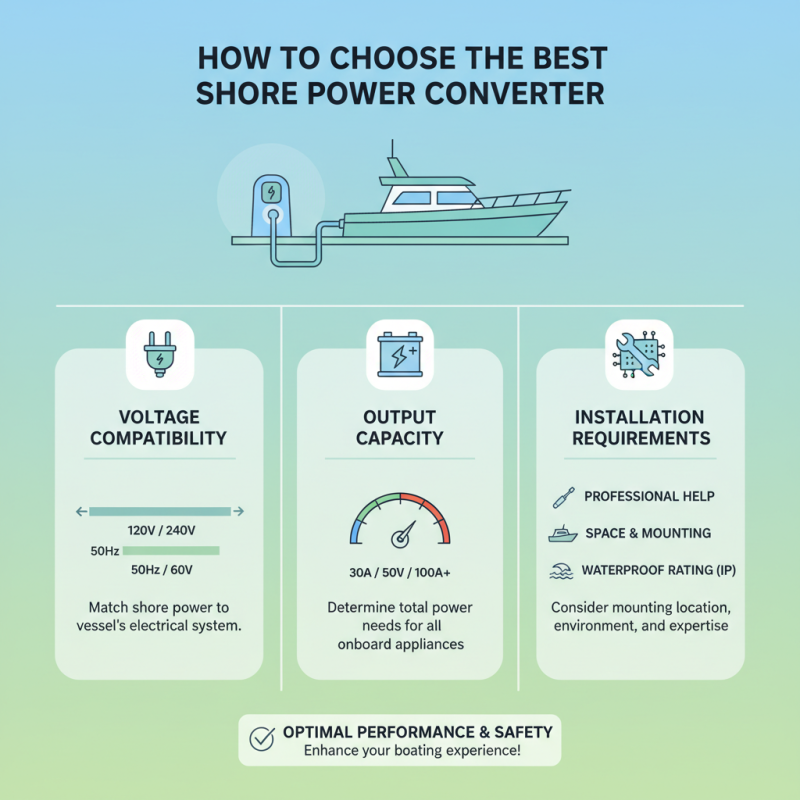
In this guide, I’ll walk you through the main things you should consider when choosing a Shore Power Converter. Stuff like voltage compatibility, how much power it can deliver, and how complicated the installation is — all these details matter big time if you wanna pick something that actually matches your needs. Once you get the hang of these key points, you’ll be able to make a smart choice that keeps everything running smoothly and safely, making your whole boating experience better. Our goal here is to give you the lowdown so you feel confident about picking a reliable, efficient converter — so you can just kick back and enjoy your time out on the water.
Understanding Shore Power Converters and Their Importance
Shore power converters play a critical role in ensuring that boats and ships can access electrical power while docked, enhancing operational efficiency and safety. These devices allow vessels to connect to the local electrical grid, reducing reliance on onboard generators. This capability not only minimizes fuel consumption and emissions but also provides a stable power supply for various onboard systems, such as lighting, air conditioning, and appliances, without the noise and vibration associated with diesel generators.
Understanding the importance of shore power converters goes beyond their technical specifications. They significantly contribute to environmental sustainability by lowering carbon footprints while moored. Moreover, utilizing shore power can help prevent issues related to generator maintenance and fuel storage, which are often overlooked. As the maritime industry shifts towards greener practices, selecting the right shore power converter ensures compliance with environmental regulations and enhances the overall performance and longevity of electrical systems aboard the vessel.
Key Factors to Consider When Selecting a Shore Power Converter
When selecting a shore power converter, several key factors should be considered to ensure it meets your specific needs. First, assess the power requirements of your vessel or equipment. Shore power converters come in various wattages, and selecting a unit that matches your power consumption is crucial. Exceeding the necessary capacity might lead to inefficient operation or potential damage, while an underpowered unit can result in insufficient power supply.
Another essential aspect to consider is the type of shore power connector compatible with your equipment. Different regions and vessels may use various connector types and configurations, so verifying compatibility beforehand can save you from complications during installation and use. Additionally, pay attention to the converter’s safety features, including short circuit protection, surge protection, and thermal overload protection, which are vital for safeguarding your equipment and enhancing longevity.
Tips: Always review product specifications and user reviews to gain insights into the performance and reliability of the converter you are considering. Consulting with a marine electrician can also provide valuable guidance tailored to your specific requirements, ensuring you make an informed decision for your shore power needs.
Types of Shore Power Converters Available on the Market
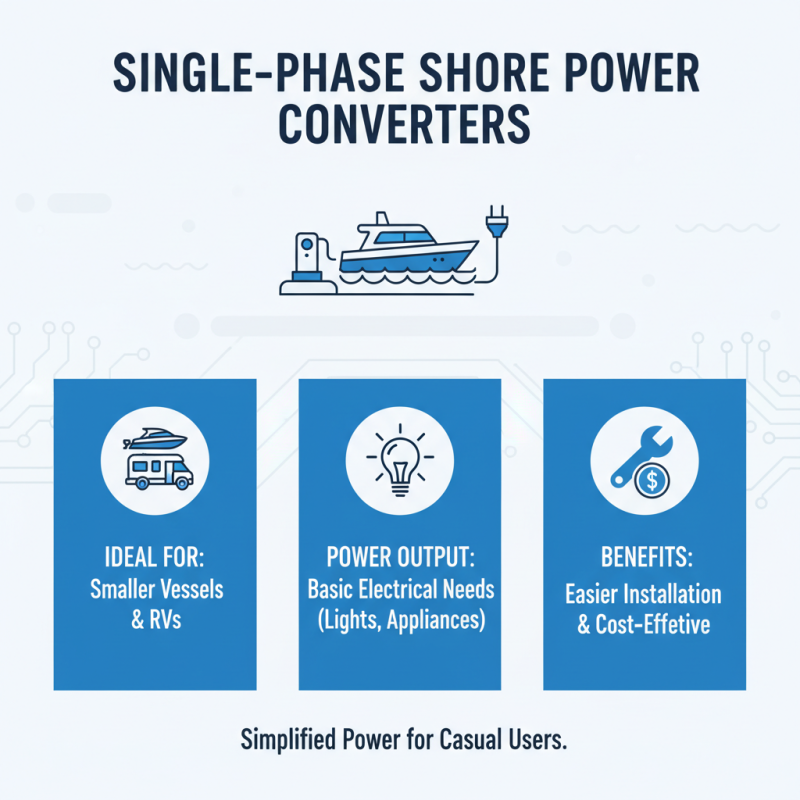
When selecting a shore power converter, it's essential to understand the different types available on the market to ensure you find the best option for your specific needs. Shore power converters are generally categorized based on their output types, including single-phase and three-phase converters. Single-phase converters are commonly used in smaller vessels or recreational vehicles, providing adequate power for basic electrical needs. They are easier to install and often more cost-effective, making them a popular choice for casual users.
In contrast, three-phase converters are more suitable for larger boats or commercial vessels that require a higher power output for extensive electrical systems. These converters are more complex and can support heavier loads, providing a more stable and efficient power supply. Another important type is the frequency converter, which adapts the power frequency to match the equipment on board, ensuring compatibility and optimal performance. Understanding these various types will help you choose the right shore power converter, aligning it with your vessel’s power requirements and operational preferences.
Assessing Power Requirements for Your Specific Use Case
When choosing the best shore power converter, it's crucial to assess your specific power requirements. Start by determining the maximum load your devices will draw simultaneously. Consider the voltage and frequency standards commonly used in the areas where you plan to dock. If you have equipment that relies heavily on high wattage, ensure that your converter can handle the peak demand without overheating or failing.
Tips: Always check the total amperage capacity of your shore power connections and compare it with the converter specifications to avoid overloading. It's also beneficial to account for future expansions; choose a converter with a slightly higher capacity than your current requirement.
Another essential factor is the type of equipment you'll be powering. Different devices have varying power factors, which can affect overall efficiency. It’s wise to account for these differences while selecting a converter. If you plan to power sensitive electronics, look for features such as surge protection and voltage regulation to safeguard your investments.
Tips: Reading user reviews and seeking recommendations from others with similar setups can provide valuable insights into the converter's performance in real-world conditions. Additionally, look for models that offer easy installation and maintenance features, which can save time and hassle in the long run.
How to Choose the Best Shore Power Converter for Your Needs - Assessing Power Requirements for Your Specific Use Case
| Use Case | Power Requirement (kW) | Voltage Range (V) | Phase Type | Recommended Converter Size (kVA) |
| Fishing Boat | 6 | 120 - 240 | Single Phase | 10 |
| Yacht | 10 | 220 - 240 | Single Phase | 12.5 |
| Cargo Ship | 30 | 380 - 400 | Three Phase | 37.5 |
| Cruise Ship | 50 | 380 - 480 | Three Phase | 62.5 |
| Workboat | 15 | 220 - 240 | Single Phase | 18.75 |
Evaluating the Quality and Safety Features of Shore Power Converters
When selecting a shore power converter, it is crucial to focus on the quality and safety features that ensure a reliable and secure connection to shore power. Look for converters that meet established industry standards and certifications. These certifications often indicate that the product has undergone rigorous testing for electrical safety and performance. A well-built shore power converter should feature overload protection, short circuit protection, and a built-in Surge Protector to safeguard your equipment and vessel against electrical irregularities.
Additionally, consider the design and materials used in the converter. High-quality converters are typically constructed with durable materials that are resistant to corrosion and wear, ensuring longevity, especially in marine environments. A waterproof or weather-resistant housing is a significant advantage, protecting the internal components from moisture. Furthermore, an effective thermal management system can prevent overheating, which is essential for maintaining the unit's performance and safety during extended use.
Tips for selecting the right converter include checking user reviews and testimonials to gauge the reliability of a model, ensuring that it has an adequate wattage rating to meet your power needs, and exploring customer support options. It is also beneficial to assess the ease of installation, as a more user-friendly design can save time and potential hassle.
Comparing Costs: Budgeting for Your Shore Power Converter Needs
When considering the purchase of a shore power converter, budgeting is a crucial aspect that dictates your final decision. First, evaluate the initial costs associated with purchasing a converter. Prices can vary significantly based on quality, power output, and features. Create a budget that reflects not only the cost of the converter itself but also any additional components you may need, such as installation materials or services. This upfront analysis will help avoid unexpected expenses down the line.
Next, consider the long-term costs associated with your shore power converter. Look beyond the purchase price to factors such as energy efficiency, maintenance, and potential repairs. An efficient model may have a higher initial cost but can save money over time through reduced energy consumption and fewer maintenance needs.
Additionally, research warranties and customer support options, as these can impact your long-term financial commitment. By thoroughly planning and comparing costs, you can make an informed decision that aligns with your financial situation and converter needs.
Installation and Maintenance Tips for Optimal Performance
Installing a shore power converter effectively requires careful attention to detail to ensure optimal performance and longevity of the system. According to industry reports, nearly 70% of marine power issues arise from improper installation practices. It's crucial to follow the manufacturer's guidelines closely and utilize certified electricians familiar with marine applications. Ensuring that all connections are secure and that the wiring meets local electrical codes can significantly reduce the risk of electrical faults, which can lead to costly repairs or even safety hazards.
In terms of maintenance, regular inspections are key to maintaining the efficiency of your shore power converter. Reports suggest that routine checks every six months can catch potential issues before they require major repairs. This includes examining cable integrity, verifying that no corrosion is present on connectors, and ensuring that the converter is free from dust and debris. Additionally, keeping the converter's firmware up to date can enhance performance and security, as technological advancements often introduce improvements that can be beneficial to the overall functionality of the system. By prioritizing these installation and maintenance practices, you can extend the life of your shore power converter and ensure reliable energy access for your marine needs.
FAQS
: A shore power converter allows boats and ships to access electrical power while docked, enhancing operational efficiency and safety by reducing reliance on onboard generators.
They reduce carbon footprints by minimizing fuel consumption and emissions while moored, contributing to greener practices within the maritime industry.
Key factors to consider include the power requirements of your vessel, compatibility of shore power connectors, and the safety features of the converter.
Assess the maximum load your devices will draw simultaneously and consider the voltage and frequency standards of the docking area to ensure the converter can handle peak demand.
Safety features like short circuit protection, surge protection, and thermal overload protection are vital for safeguarding equipment and ensuring longevity.
Choose a converter with a slightly higher capacity than your current requirements to accommodate possible future expansions or increased power needs.
Verify the compatibility of the shore power connector with your equipment and check the total amperage capacity to avoid overloading.
They provide a stable power supply for onboard systems without the noise and vibration associated with diesel generators, enhancing comfort and operational efficiency.
Reading user reviews and consulting with a marine electrician can provide valuable insights into the best options tailored to your specific requirements.
Look for converters that offer surge protection and voltage regulation to safeguard sensitive devices from potential damage.
Conclusion
Choosing the right Shore Power Converter is crucial for optimizing your energy needs while docked. Understanding the various types of converters available, along with their importance, sets the foundation for making an informed decision. Key factors to consider include your specific power requirements, the quality and safety features of the converters, and cost considerations to fit your budget.
Additionally, proper installation and maintenance are essential to ensure optimal performance and longevity of your Shore Power Converter. By evaluating these aspects, you can select a converter that not only meets your power demands but also enhances safety during operation. With careful assessment and planning, you can enjoy uninterrupted power supply for all your onboard needs.